2026-09-10 ·
Hidden Leak Detection Near the Olentangy River Corridor
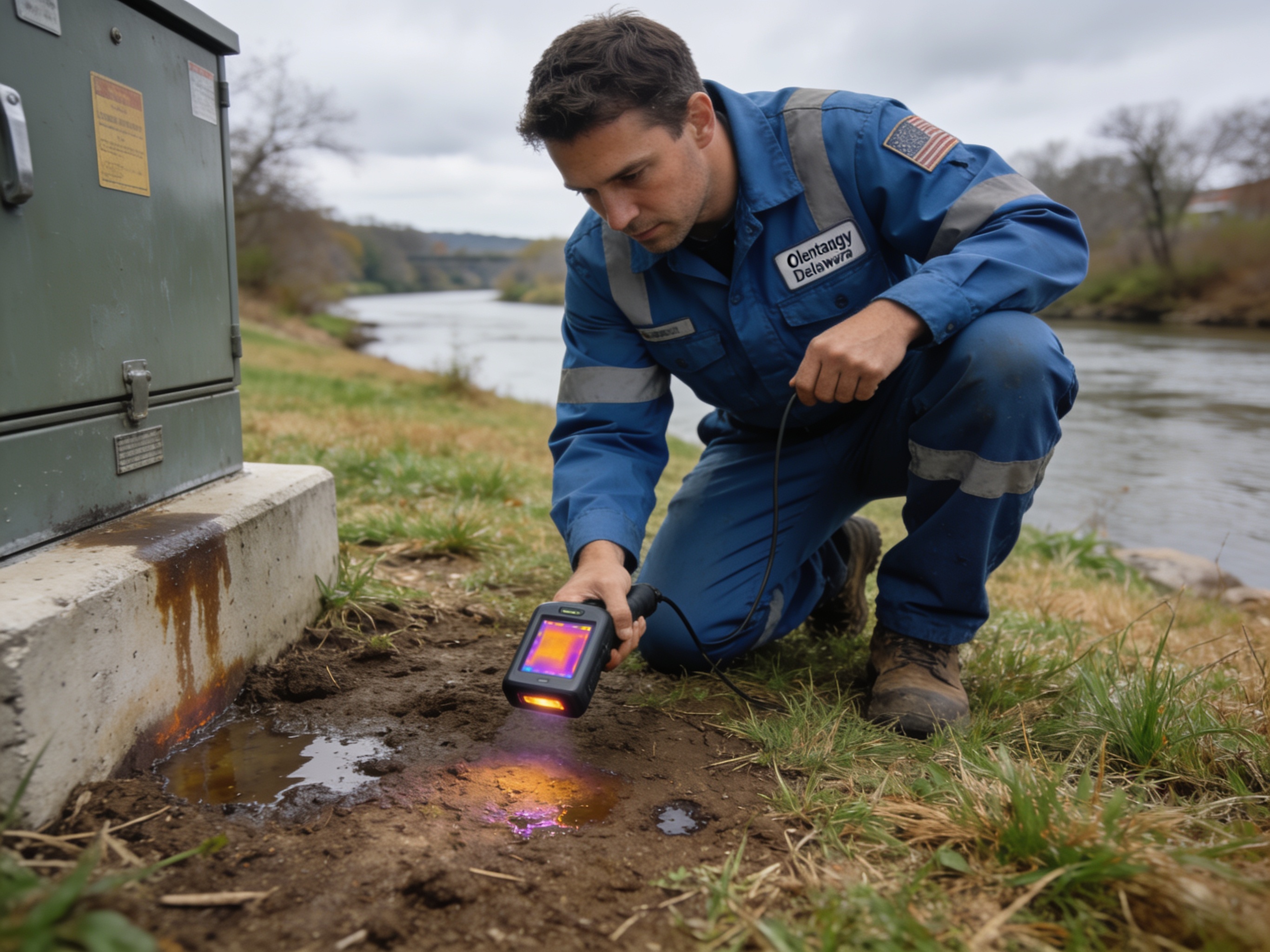
Hidden water leaks near the Olentangy River corridor in Delaware, Ohio, often manifest in ways unique to our local environment, with repair costs typically ranging from $400 to $1,500 for basic repairs once the leak is located, though more complex issues, especially those involving structural damage, can escalate significantly. The proximity to the river, coupled with our humid continental climate and the age of many homes in areas like Historic Downtown and North Delaware, creates a perfect storm for subtle, yet destructive, water intrusion. Unlike an obvious burst pipe, these leaks can go unnoticed for weeks or even months, silently damaging foundations, walls, and insulation. The consistent moisture from the river and the warm, humid summers contribute to slower evaporation, allowing water to linger and cause extensive damage before detection. This is particularly true for properties with older plumbing systems, where minor cracks or corroded joints can slowly seep water into unseen spaces, often exacerbated by the freeze-thaw cycles we experience in winter, which stress pipes and fittings.
Understanding the Local Leak Landscape
Delaware County's unique geography, especially along the Olentangy River, plays a significant role in how and where hidden water leaks develop. Homes in neighborhoods like Historic Downtown, with their older construction and often original plumbing, are particularly susceptible. The shifting soils, a common characteristic near riverbeds, can put stress on underground pipes, leading to hairline fractures that are nearly impossible to detect without specialized equipment. Similarly, properties in areas like Westfield and Scioto Reserve, while newer, still face challenges from the humid climate that encourages condensation and can mask the subtle signs of a leak. The constant moisture in the air, especially during our warm summers, means that damp spots might be dismissed as humidity rather than an indication of a persistent leak. This local context means that what might be a minor issue in a drier climate can quickly become a significant problem here in Delaware.
Our team, based just down the road in Sunbury, understands these specific challenges. We've seen firsthand how a small, unaddressed leak can lead to substantial issues, from compromised structural integrity to widespread mold growth. It's not just about finding the water; it's about understanding why it's there and how the local environment contributes to its presence. For a deeper dive into the financial aspects of these issues, you might find our article on [/blog/hidden-water-leak-detection-costs-in-central-ohio] particularly insightful, as it breaks down typical expenses homeowners in the Columbus and Delaware areas can expect.
Common Hiding Spots for Leaks in Riverfront Properties
Properties situated near the Olentangy River often have specific areas where hidden leaks are more prevalent. Due to the higher water table and potential for ground saturation, slab leaks are a significant concern. The concrete slabs of homes, particularly those built closer to the riverbanks, can develop leaks in the pipes embedded within them. These leaks are notoriously difficult to detect without professional tools, often only revealing themselves through unexplained warm spots on the floor, sudden increases in water bills, or visible foundation cracks. Another common area is within the walls and ceilings, especially in two-story homes or those with multiple bathrooms. The consistent humidity can make it harder to differentiate between condensation and a slow pipe drip, allowing the leak to progress unchecked. We often find these leaks around fixtures in older homes near Ohio Wesleyan University or properties in North Delaware, where the original galvanized or copper pipes might be nearing the end of their lifespan.
Beyond the obvious, we also frequently encounter leaks in less visible places, such as:
- Behind appliances: Dishwashers, refrigerators with ice makers, and washing machines often have supply lines that can develop slow leaks over time, hidden behind cabinetry.
- Beneath sinks: While sometimes visible, a slow drip under a sink can go unnoticed, especially in less-used bathrooms or utility rooms.
- Around exterior hose bibs: During the winter months, if not properly winterized, outdoor faucets can freeze and crack, leading to leaks within the wall once temperatures rise.
- Water heater connections: Located in basements or utility closets, these connections can corrode and leak slowly, often pooling water in an unseen corner. For more information on this, consider our service page on [/services/water-heater-repair].
The Impact of Delaware's Climate on Leak Detection
Delaware, Ohio's humid continental climate, characterized by warm, often muggy summers and cold winters, significantly complicates hidden leak detection. During the summer, the high humidity can mask the tell-tale musty odors or dampness that might otherwise indicate a leak. A homeowner might attribute a damp basement wall to general humidity rather than a persistent pipe leak. Conversely, the freezing temperatures in winter can cause pipes to expand and contract, leading to stress fractures that only become apparent when the weather warms. This is particularly relevant for homes in areas like Westfield, where many properties feature outdoor plumbing or irrigation systems that, if not properly maintained, can lead to internal leaks. The constant cycle of wet and dry, warm and cold, puts immense pressure on a home's plumbing infrastructure, making proactive monitoring and timely detection crucial.
The soil composition in Delaware County, especially near the Olentangy River, also plays a role. Clay-rich soils, common in our region, can retain moisture for extended periods. This means that even a small underground leak can saturate the surrounding soil, leading to hydrostatic pressure against foundations and further complicating detection. We often employ specialized acoustic and thermal imaging equipment to cut through these environmental challenges, allowing us to pinpoint the exact source of a leak without unnecessary demolition, saving homeowners time and money.
Advanced Techniques for Pinpointing Hidden Leaks
Effective hidden water leak detection, especially in challenging environments like those along the Olentangy River, requires more than just a keen eye. Our approach leverages advanced technology to accurately locate leaks with minimal disruption to your home. We utilize acoustic leak detection, which involves listening for the subtle sounds of water escaping a pipe using highly sensitive microphones. This method is particularly effective for slab leaks or pipes buried underground, where visual inspection is impossible. We can often hear the distinct 'hiss' or 'drip' of a leak even through concrete or several feet of soil, helping us pinpoint the exact location. Another crucial tool is thermal imaging. Water, even at ambient temperatures, has a different thermal signature than dry building materials. Our thermal cameras can detect these subtle temperature differences, revealing areas of moisture behind walls or under floors without needing to open them up. This is invaluable for finding leaks in complex plumbing networks common in older homes around the Delaware County Courthouse or in multi-story residences in Scioto Reserve.