2026-09-10 ·
Winter Hidden Leak Risks for Delaware Ohio Plumbing
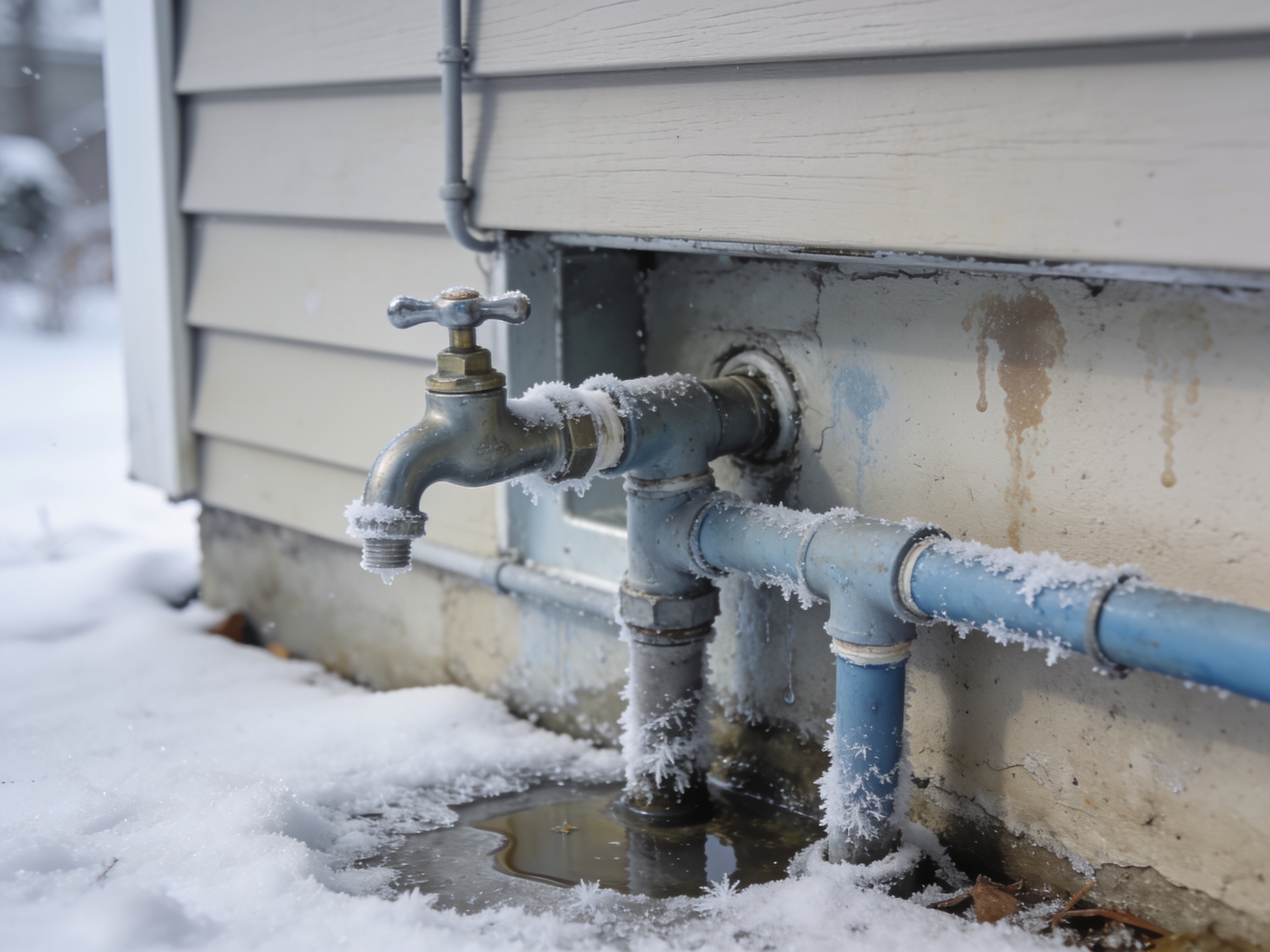
Winter in Delaware, Ohio, significantly elevates the risk of hidden water leaks in plumbing systems, primarily due to the repeated cycles of freezing and thawing that stress pipes, especially in older homes common in areas like Historic Downtown. When temperatures consistently drop below 32°F, water expands as it freezes, exerting immense pressure on pipes. Even a small crack, imperceptible during warmer months, can widen under this stress, leading to a hidden leak that might not become apparent until significant damage has occurred. Homes in Delaware County, particularly those built before the 1980s, often have original plumbing materials that are more susceptible to these winter-induced pressures. The humid continental climate, characterized by cold winters, means that pipes in unheated crawl spaces, basements, or exterior walls are particularly vulnerable. Early detection is key to preventing costly repairs and water damage to your property, whether you're near Ohio Wesleyan University or closer to Mingo Park.
The Impact of Freezing Temperatures on Plumbing
Delaware's winter climate, with its warm summers transitioning to cold, often frigid winters, presents a unique challenge for plumbing systems. The ground around your home, especially in areas like Scioto Reserve or Westfield, can freeze several feet deep. This freezing soil can exert pressure on underground pipes, leading to shifts and potential ruptures. Above ground, exposed pipes in unheated garages, crawl spaces, or utility rooms are even more vulnerable. When water inside these pipes freezes, it expands with incredible force, often exceeding 2,000 pounds per square inch (psi). This pressure is far greater than what most residential pipes, whether copper, PEX, or galvanized steel, are designed to withstand, causing them to burst. The resulting leaks often remain hidden within walls or under floors until significant water damage becomes evident, sometimes weeks after the initial freeze. This makes proactive checks and understanding your home's vulnerable points essential.
Common Locations for Hidden Winter Leaks
Hidden leaks in winter often originate in specific areas of a home that are more exposed to the cold or have older, more brittle plumbing. In Delaware homes, we frequently find these issues in:
- Exterior Walls and Uninsulated Spaces: Pipes running through uninsulated exterior walls, particularly in older homes around Historic Downtown or North Delaware, are prime candidates for freezing. Even a small gap in insulation can allow enough cold air to penetrate and freeze a section of pipe. Basements and crawl spaces, especially those with inadequate insulation or air sealing, are also high-risk areas. The pipes supplying outdoor spigots, if not properly drained and winterized, are another common source of winter leaks.
- Attics and Garages: While less common for primary water lines, pipes in attics (especially those supplying radiant heating systems or secondary bathrooms) and unheated garages can freeze if temperatures drop significantly. These areas often receive less attention during winterization, making them susceptible.
- Slab Foundations: Homes built on slab foundations, which are common in some parts of Delaware and nearby Powell, can develop <a href="/services/slab-leak-repair">slab leaks</a>. Freezing ground conditions can exacerbate existing stress on pipes embedded within the concrete, leading to leaks that are notoriously difficult to detect without specialized equipment. The constant temperature fluctuations of our humid continental climate contribute to this stress.
Signs of a Hidden Water Leak in Winter
Detecting a hidden water leak in the dead of winter can be challenging, as the signs might be subtle or mimic other household issues. However, being vigilant can save you from extensive damage. Look out for these indicators:
- Unexplained Increase in Water Bill: This is often the most telling sign. If your water usage habits haven't changed but your bill has spiked significantly, it's a strong indicator of a leak. Even a small drip can waste hundreds of gallons over a month.
- Damp Spots or Stains: Patches of dampness, discoloration, or water stains on walls, ceilings, or floors, especially near plumbing fixtures or where pipes run, are clear red flags. In winter, these might appear slowly as the leak progresses.