2026-09-10 ·
DIY Tests Before Scheduling Hidden Water Leak Detection
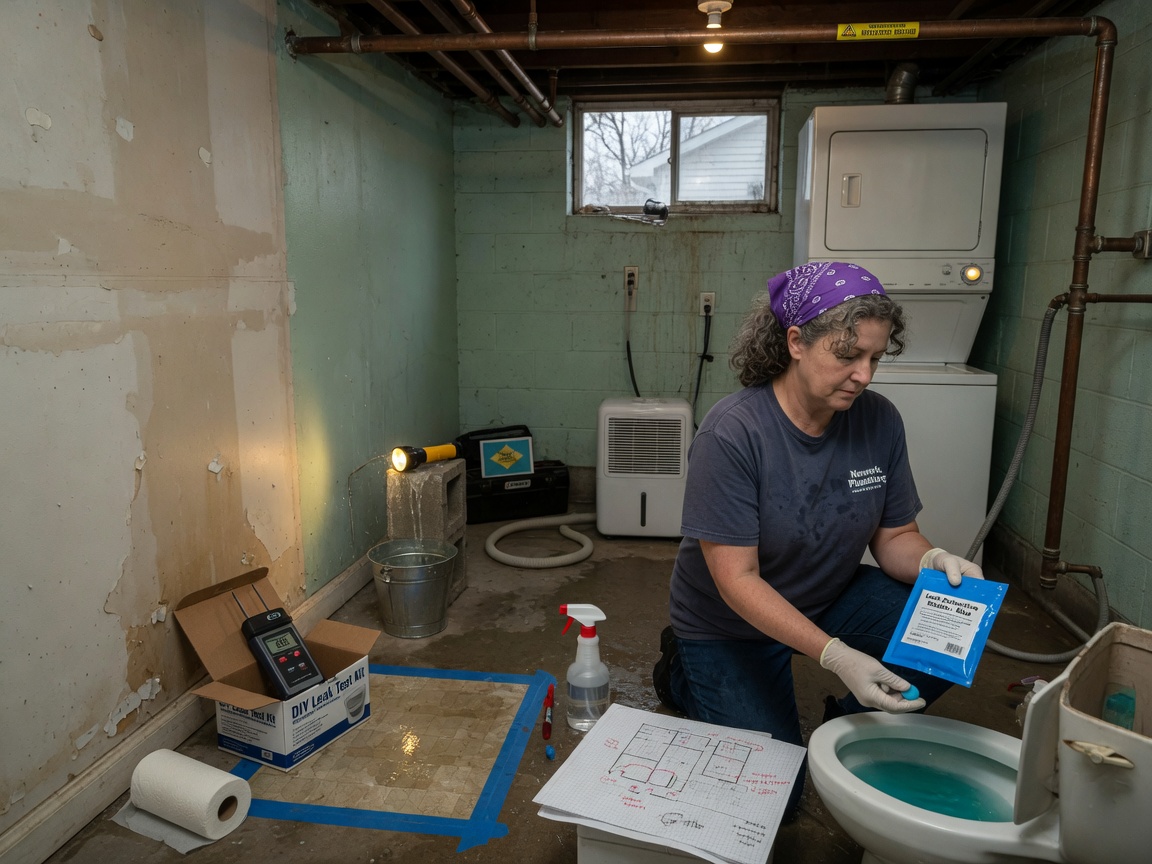
Before scheduling professional hidden water leak detection, you can perform several effective DIY tests that often reveal the source of the problem, potentially saving you the cost of a service call. These tests typically involve monitoring your water meter, inspecting common leak areas, and using household items to detect moisture. In Delaware, Ohio, where homes range from historic properties near Ohio Wesleyan University to newer developments in Scioto Reserve, understanding these initial checks is crucial. The humid continental climate with warm summers in our region means that even small, unaddressed leaks can quickly lead to mold and structural damage, especially in hidden spaces within walls or under floors.
Understanding Your Water Meter for Leak Detection
One of the most reliable initial DIY tests involves your home's water meter. This method is particularly effective for detecting leaks in your main water line or any continuous leak within your plumbing system. To perform this test, ensure all water-using appliances are off, including washing machines, dishwashers, and irrigation systems. Turn off all faucets and ensure no one flushes toilets during the test period. Locate your water meter, typically found near the street or in a utility area. Note the current reading or, if your meter has a small red or blue leak indicator dial, observe if it's moving. If the dial is spinning or the reading changes after a 15-30 minute period of no water usage, you likely have a leak somewhere in your system. This test helps confirm a leak exists, even if it's hidden behind walls or under your foundation, a common issue in both older homes and newer constructions across Delaware County.
Inspecting Common Leak Hotspots
Many hidden leaks originate from common, often overlooked areas within your home. Begin by visually inspecting under sinks, around toilets, and near water heaters. For toilets, add a few drops of food coloring to the tank and wait 15-20 minutes without flushing; if color appears in the bowl, you have a silent flapper leak. Check the base of your water heater for any signs of moisture or corrosion, as even small drips can indicate a larger problem developing. Given our warm summers, even minor leaks can accelerate mold growth in these damp, enclosed spaces. Don't forget to check outdoor spigots and irrigation systems, as these can also contribute to unexplained water usage, especially in neighborhoods like Westfield with larger yards. Addressing these visible issues early can prevent more significant problems, which often require professional <a href="/services/water-heater-repair">Water Heater Repair</a> or <a href="/services/pipe-replacement">Pipe Replacement</a>.
The Paper Towel and Moisture Meter Test
For areas where you suspect a leak but can't see visible water, the paper towel test or a simple moisture meter can be invaluable. For the paper towel test, simply press dry paper towels against walls, ceilings, or floors in suspected areas. Any discoloration or dampness on the paper towel indicates moisture. For a more precise reading, a basic moisture meter, available at most hardware stores, can detect elevated moisture levels within drywall or wood, even if the surface appears dry. This is especially useful in areas prone to condensation or where a leak might be slowly seeping. In Delaware, with its humid climate, moisture can linger, making these tools essential for early detection. If you find consistent moisture in a wall, it’s a strong indicator of a <a href="/services/hidden-water-leak-detection">Water Leak Inside Wall</a> that needs professional attention.
Listening for Leaks and Pressure Checks
Sometimes, your ears can be the best leak detector. In a quiet home, listen carefully for the sound of running water, dripping, or hissing when no fixtures are in use. This can often pinpoint a leak behind a wall or under a floor. For a more advanced DIY check, you can perform a pressure test if you have access to a pressure gauge and an outdoor spigot. Attach the gauge, turn off your main water supply, and note the pressure reading. If the pressure drops significantly over an hour or two, it indicates a leak in your closed system. This method is particularly helpful for residents in areas like North Delaware, where older plumbing systems might be more susceptible to pressure-related leaks. If you suspect a leak after these tests, especially if you hear constant running water, it's time to call a professional for <a href="/blog/using-acoustic-tools-for-hidden-water-leak-detection">Using Acoustic Tools for Hidden Water Leak Detection</a>.
When to Call a Professional for Hidden Water Leak Detection
While these DIY tests are excellent first steps, there are times when professional intervention is essential. If your water meter continues to show usage, you detect persistent moisture, or hear constant water sounds after performing these checks, it's time to contact a plumbing expert. Professionals have specialized equipment, such as acoustic leak detectors and thermal imaging cameras, that can precisely locate hidden leaks without extensive demolition. Given the potential for significant damage from hidden leaks, especially in our region's climate, prompt action is key. Plumbing Ohio is based out of 1742 Hogback Rd, Sunbury, OH, 43074, and serves the entire Delaware County area, including nearby cities like Columbus and Powell. We're available Mon–Fri 8am–6pm, Sat 9am–2pm to help with your hidden water leak detection needs.